AS TAUGHT IN:
Autumn/Winter 2025, Hiroshima University
TITLE:
Development and Culture: Introduction to Planetary Health
INSTRUCTOR:
TIME:
Intensive Course: November 2/3, December 13/14
PLACE:
IDEC 203
KEYWORDS:
planetary health; Anthropocene; medical anthropology; disease; zoonosis, science and technology studies, resilience
SYLLABUS

COURSE DESCRIPTION
The aim of this course is to develop an academic interest in how humans have altered social-ecological systems on a planetary scale, often called Anthropocene, and the consequences of such transformation for health, disease and well-being. Lectures will explore the complex interactions between the changing environment, forms of disease and the healthcare system by introducing students to major theme in the interdisciplinary field of planetary health, such as emerging infectious diseases, food waste or chemical pollution. In addition, key concepts and methods in medical anthropology will be introduced to help students understand and interpret the changing relationship between health, disease and the environment in the 21st century. At the one-day off-campus field trip, participants will explore planetary health issues together in practice. In the subsequent seminars, participants will take a leading role in reviewing case studies from around the world through intensive group discussions. The course will be complemented by a mini workshop to discuss and wrap-up the topics covered during the four days.
Learning Goals
By the end of this course students should:
- be familiar with medical anthropology as a distinctive discipline at the crossroads of the social, human and medical sciences
- build up a solid knowledge of the broad nature, concepts and theories of planetary health
- be able to apply key theoretical approaches to explain the environmental factors of disease, particularly the recursive interaction of epidemiological and ecological drivers
- develop an academic interest in how humans have been altering the relationship between the environment and their health
- develop an interest in further comprehension of grassroots activism around planetary health
- be able to participate in collaborative work such as class discussion and group presentation assignments
Course Schedule
The course will consist of lectures, group discussions, case studies and practical exercises. For Day 1 and Day 3, everyone is required to read one chapter from the textbook before each class to prepare for class discussion. Day 2 will be devoted to a field trip at Iniabi Farm, where you will explore the themes discussed in class through direct experience.For Day 3 and 4, everyone will be assigned a case study from the anthology. You will be required to present a summary that outlines the main points and interrogates some of the key issues of this case study and lead a discussion inspired by that text. On Day 4, these individual presentations will be followed by a roundtable discussion with other students to wrap up key concepts from the course and engage in critical reflection on them.
Day 1: FOUNDATIONS
Class #1: Orientation: What is planetary health?
Class #2 Ecologies of health and disease
Class #3: Biodiversity and nutrition
Class #4: Zoonosis: Animal farming and pandemics
Day 2: FIELD TRIP
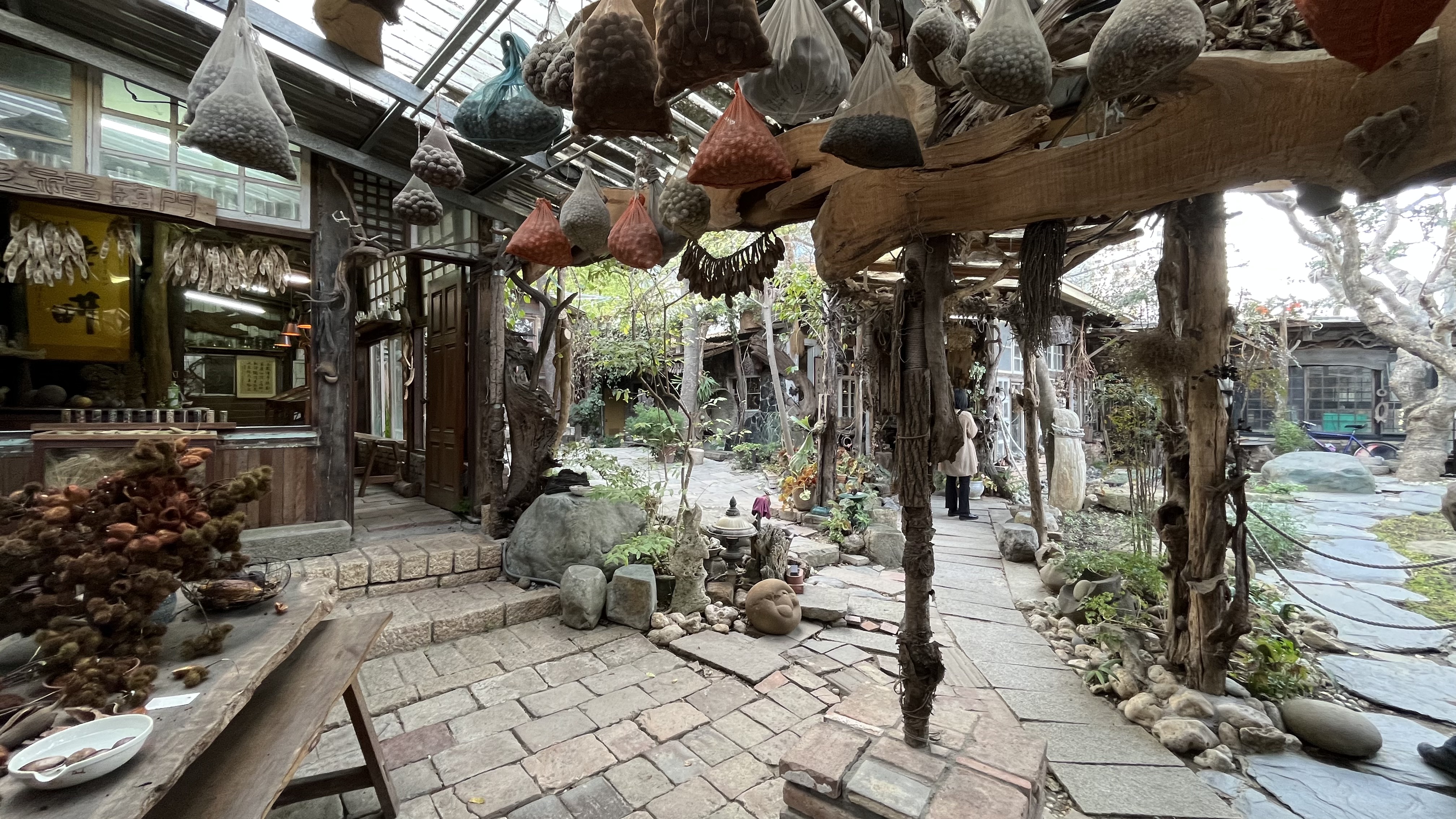
Class #5: What is “natural” farming?
Class #6: Observing “natural” farming
Class #7: Doing “natural” farming
Class #8: “Natural” farming for planetary health?
Day 3: CASE STUDIES
Class #9: Living on a toxic planet
Class #10: Drug resistance
Class #11: Presentations 1—Haze and asthma
Class #12: Presentations 2—Food system and local change
Day 4: WRAP UP
Class #13: Presentations 3—Conservation and health promotion
Class #14: Mini workshop
Class #15: Wrap-up
READINGS
Participants of this course will be required to read c.20-30 pages from the textbook and of other sources before each class. In addition, each student will be in charge of presenting one case study for which they should read the assigned chapter (c. 50 pages) and prepare a handout until the day of the presentation.
TEXTBOOKS
It is recommended that you purchase textbooks, which will help you in following the reading requirements and preparing for the final exam. A limited number of textbooks will be available on reserve.
(Required)
Myers, Samuel and Howard Frumkin, eds. 2020. Planetary Health: Protecting Nature to Protect Ourselves. Washington, DC: Island Press. (textbook, “M&F”)
Duff, Hilary, Carlos Faerron Guzmán, Amalia Almada, Christopher Golden and Samuel Myers eds. 2020. Planetary Health Case Studies: An Anthology of Solutions. Planetary Health Alliance. (anthology, “Duff et al. 2020”)
(Optional)
McElroy, Ann and Patricia K. Townsend. 2015. Medical Anthropology in Ecological Perspective. Sixth edition. Boulder, Oxford: Westview Press.
Singer, Merrill, ed. 2016. A Companion to the Anthropology of Environmental Health. San Francisco, CA: WileyBlackwell.
Watanabe, Toru and Watanabe Chiho, eds. 2019. Health in Ecological Perspectives in the Anthropocene. Springer.
Zywert, Katharine and Stephen Quilley, eds. 2020. Health in the Anthropocene: Living Well on a Finite Planet. Toronto: University of Toronto Press.
ASSIGNMENTS
First and foremost, (A) an engaged and thoughtful participation in class discussion and the field trip is central. In the first half of the course, students should come to class having read and understood the required chapter in the textbook. To prepare for the class discussions, you will need to take notes on the main themes of each chapter and think about how these points relate to topics covered in classroom sessions and the field trip. In addition, each participant will be asked to present (B) a summary of a case study from the anthology and lead a discussion inspired by that text. The presentation should outline the main points and interrogate some of the key issues of the case study (c. 4 pages handout, 15 minutes presentation). On the last day of the course, students will participate in a roundtable discussion with their peers designed to reflect on the key themes covered throughout the course.
GRADING AND EVALUATION
Grading is based on the classwork, active participation in discussion, and the evaluation of midterm presentation and final group project. Attendance at 80% of all classes (12<) is required.
- A: Class exercises & participation……………………………………………….. 50%
- B: Mid-term individual presentation (case study) ……………………….50%
FURTHER REMARKS ON CLASS CONDUCT
1 Textbook. It is recommended that you download and/or purchase the textbook and the anthology (see in “Required and assigned readings” section), which will help you in following the reading requirements and preparing for the workshop at the end of the term. A limited number of the textbooks will be available on reserve.
2 Language. The language of the course is English, as well as all reading assignments.
3 Plagiarism. Plagiarism of any sort, including the use of online content, is not allowed. If you are not sure about what is or is not considered plagiarism, consult the instructor.
4 Completion of writing assignments: All writing assignments must be personally handed to the instructor on or before the due date.
5 Class notes and audio-visual materials. Instruction in this class is augmented with a variety of complementary materials, such as video excerpts, slideshows or direct quotes from primary sources. Students are responsible for taking notes on these materials and incorporating them into their papers.
6 Missed test and exams. There will be no make-up test/exam without adequate documentation (such as a doctor’s or counselling certificate).
 KanKyoLab